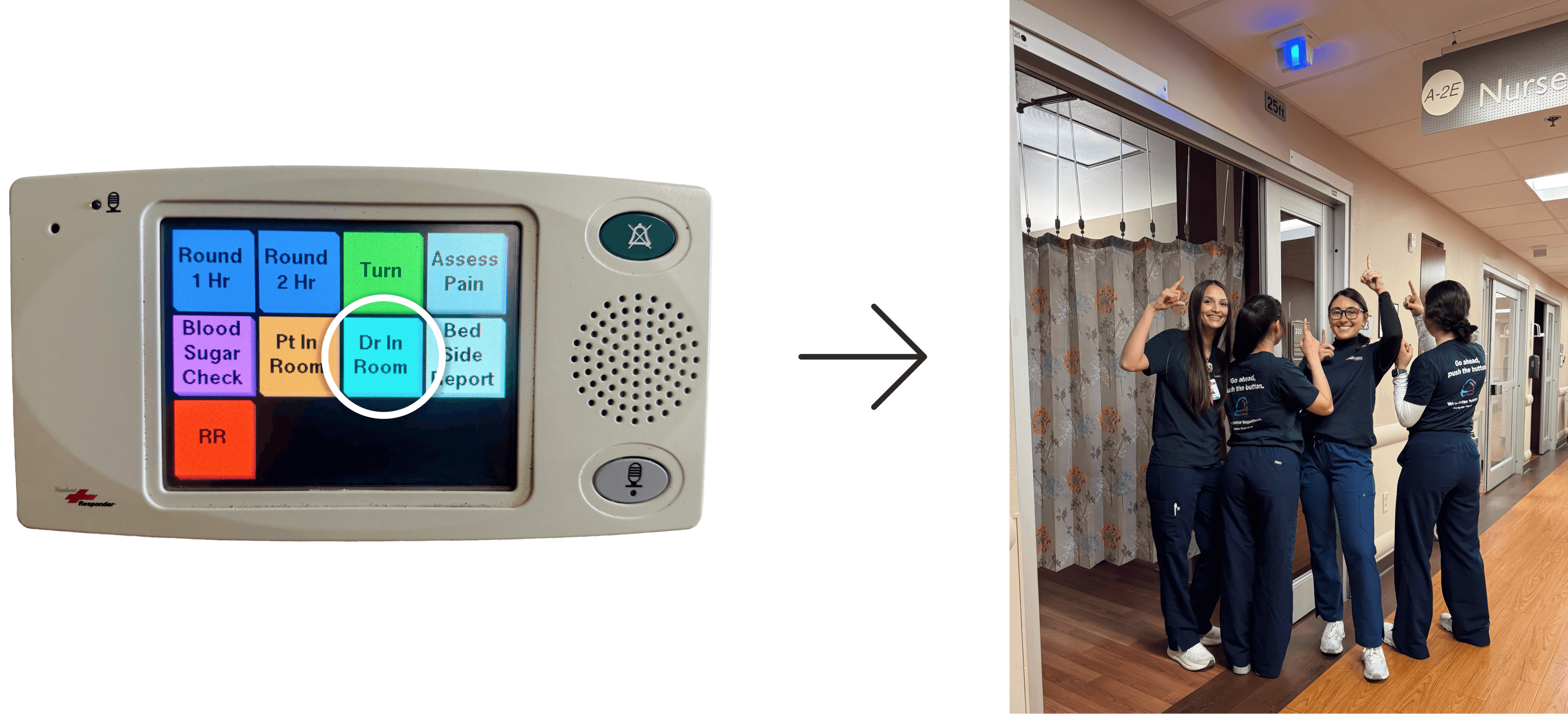
Blue Button Rounding is a collaborative initiative at HonorHealth. When a physician enters a patient room, they press a blue button on the Responder 5 terminal to signal the nurse to join within two minutes.
After a successful pilot at Thompson Peak Medical Center, Scottsdale Osborn Medical Center wanted it too.
I owned that expansion, leading creative strategy, managing stakeholders across nursing directors, CMOs, and physician champions, and designing every piece of collateral from concept through print.
Role
Campaign designer and strategist
Audience
Physicians, APPs, nurses, patients
Impact
Expanded a proven rounding model to additional medical centers following pilot success
THE concept
My initial concept leaned into the drama. A blue button that calls in backup? That’s a bat signal. The creative used superhero references, a sense of urgency, and a lot of personality.
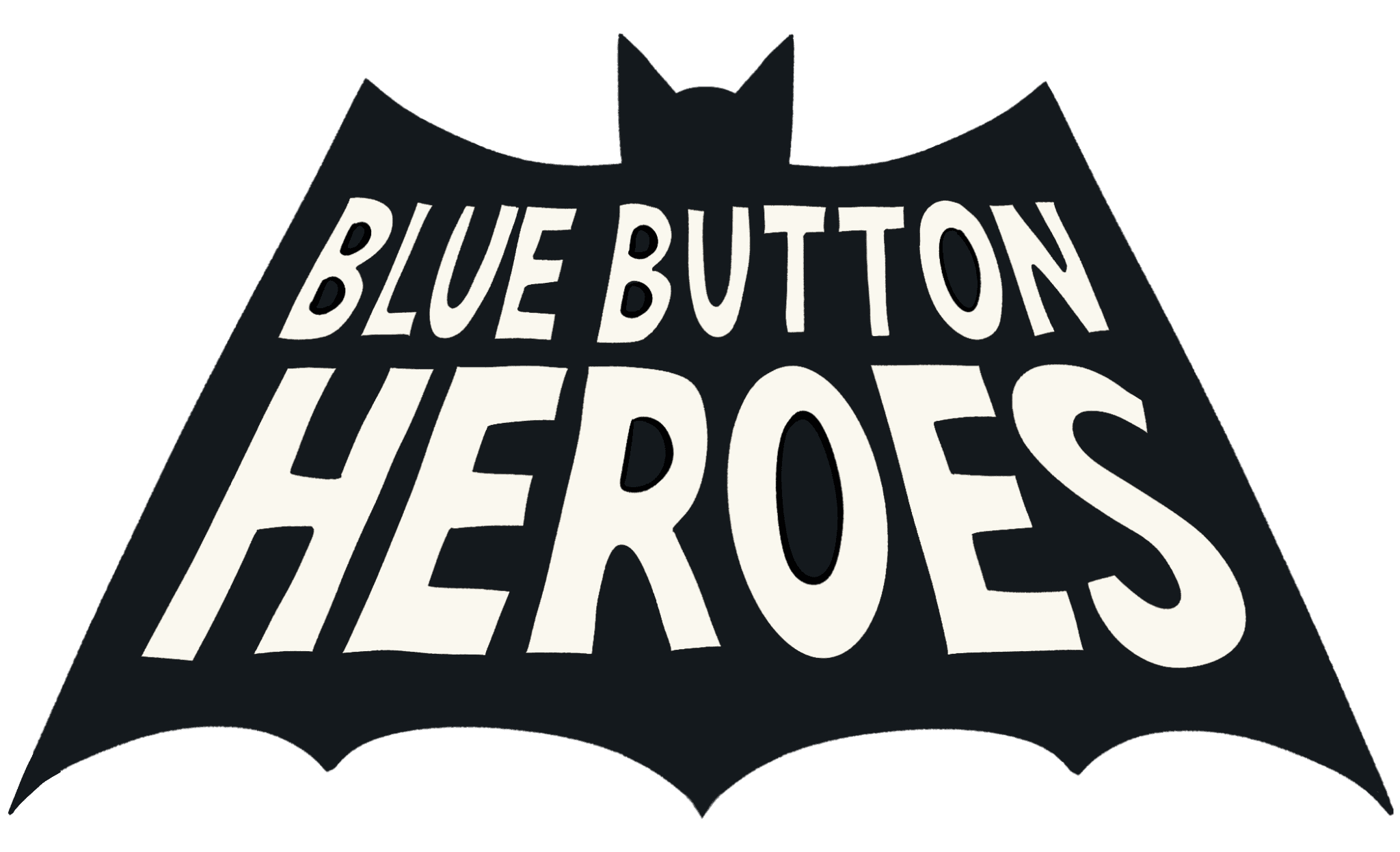
We got all the way through creative development before it was cut. The feedback was clear: engaging is good, distracting is not. Clinical environments are already overwhelming. The creative needed to stick, not compete.
So I reframed.
The second direction stripped the concept down to what actually mattered. This is a collaboration tool that already exists in every room, and it works. The campaign shifted from “this is exciting” to “this is easy.” The tagline became Teamwork at the touch of a button. Simple, brand-forward, and impossible to misread.
THE CONStraint that shaped the work
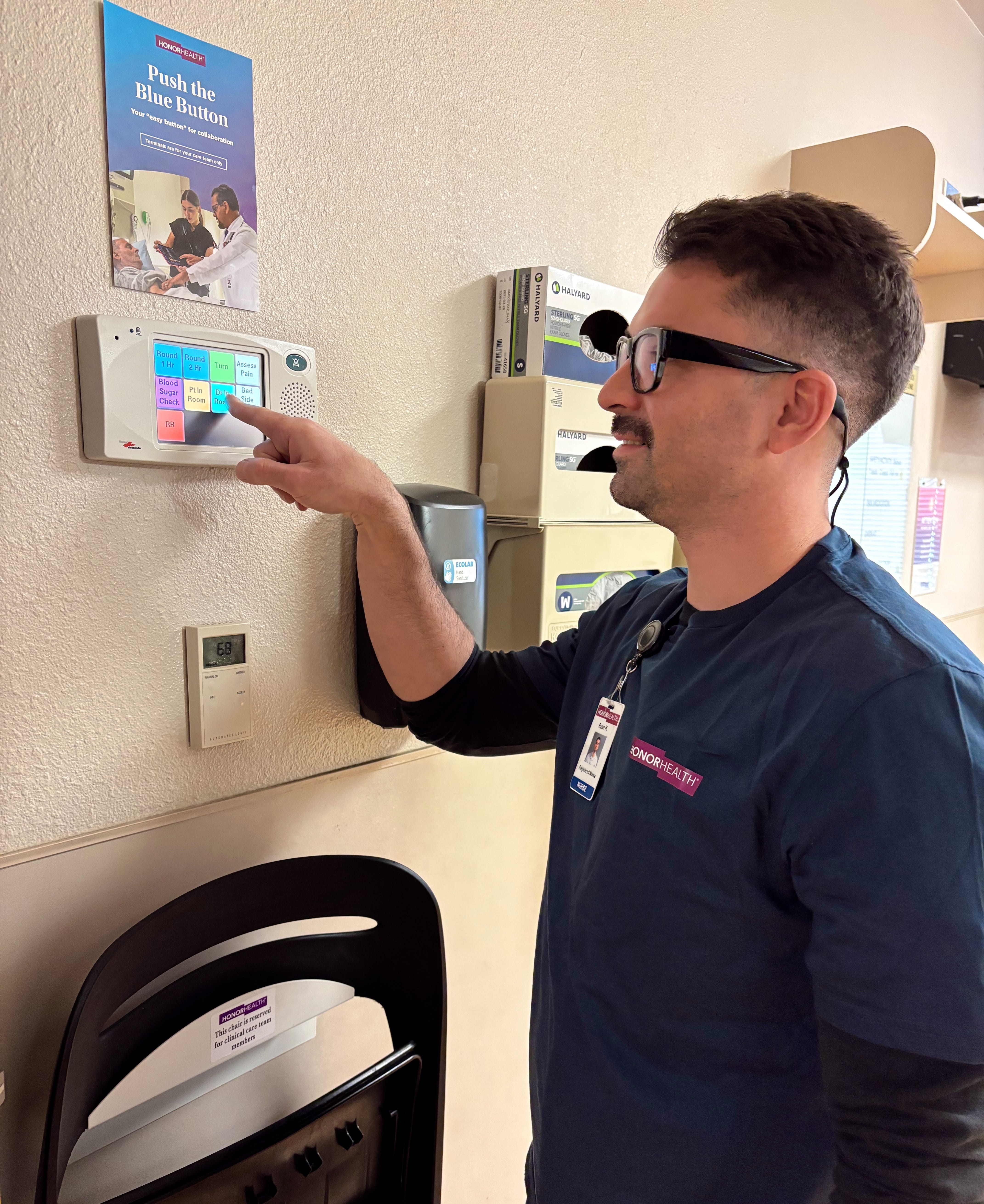
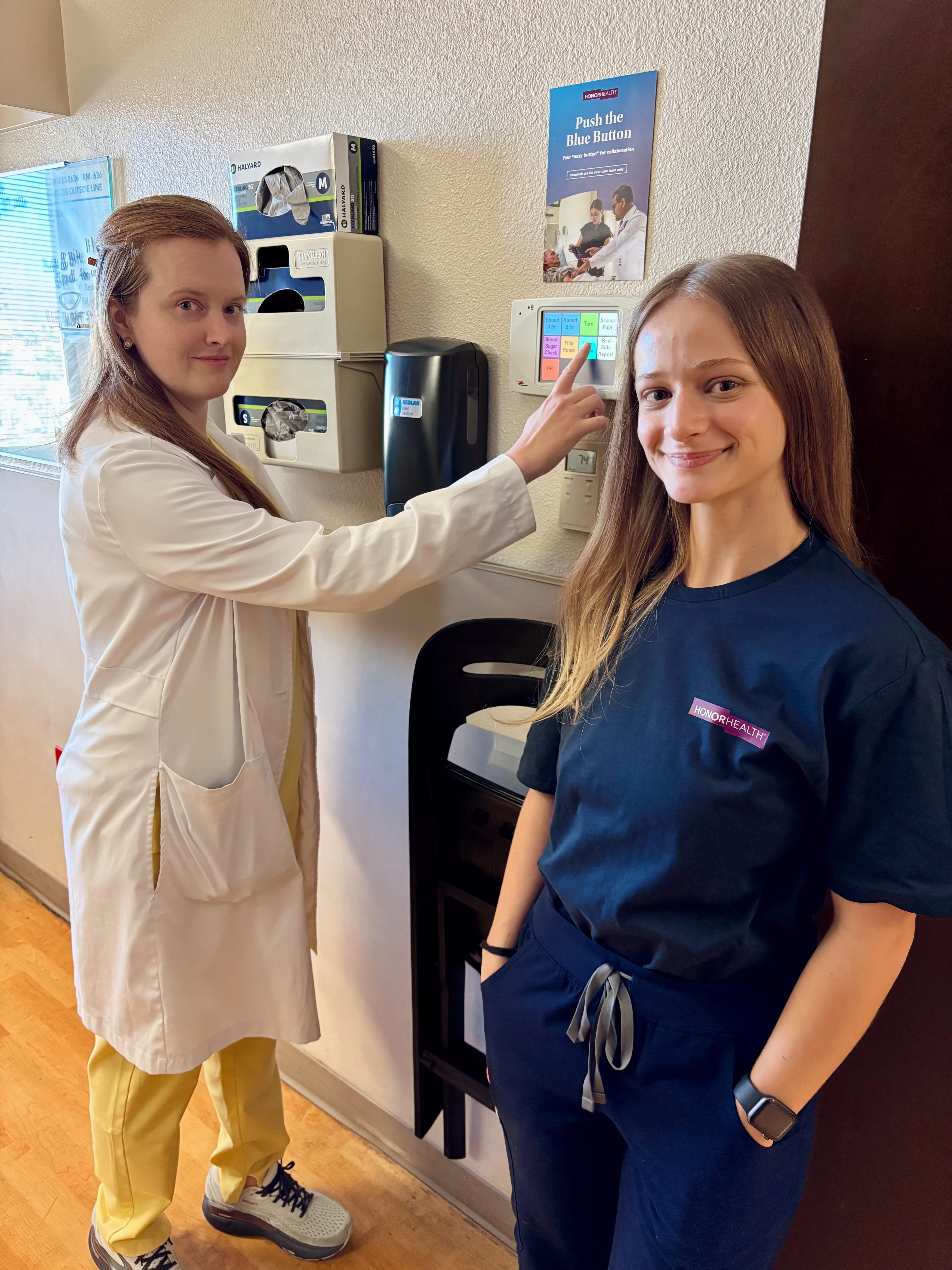
Patient rooms are small. There’s not a lot of wall space, and what exists is functional real estate, not a gallery. Before designing anything for in-room placement, I went on-site to assess the space around the Responder 5 terminal.
An 18×24 poster wasn’t going to happen. A postcard-sized piece above the terminal would. That visit informed every size and placement decision that followed. It also confirmed the message had about two seconds to land.
THE WORK
The campaign had to work for three audiences with different needs: physicians who needed a clear ask and quick rationale, nurses who needed to understand their role and feel like participants rather than recipients, and patients who needed just enough context to hold their care team accountable.
1
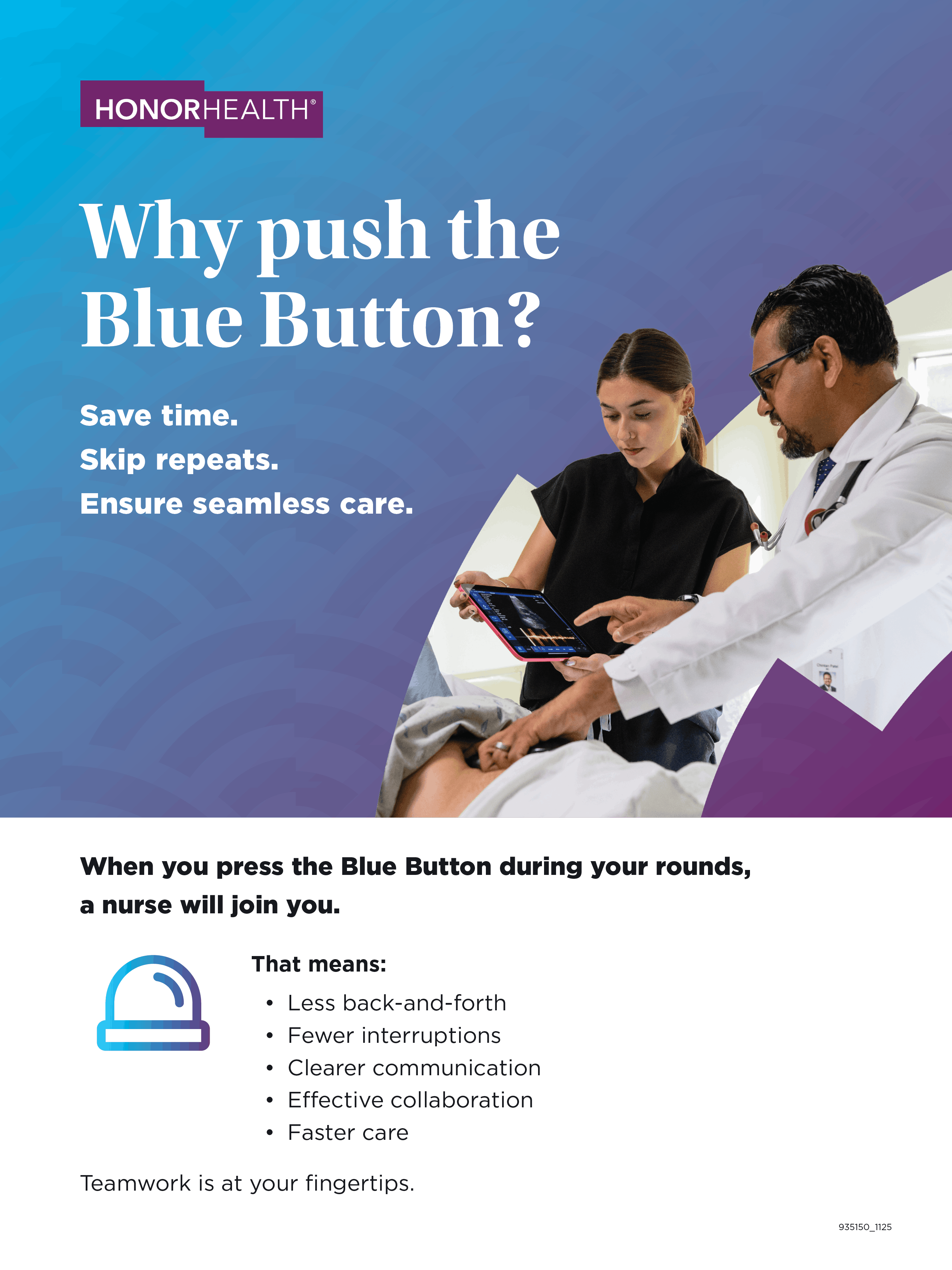
Physician lounge poster
Led with efficiency → Save time. Skip repeats. Ensure seamless care.
Focused on efficiency and immediate value prop for physicians.
2
Nurse breakroom poster
Led with collaboration → Your signal for real-time collaboration.
Reframed nurses as collaborators, not responders.
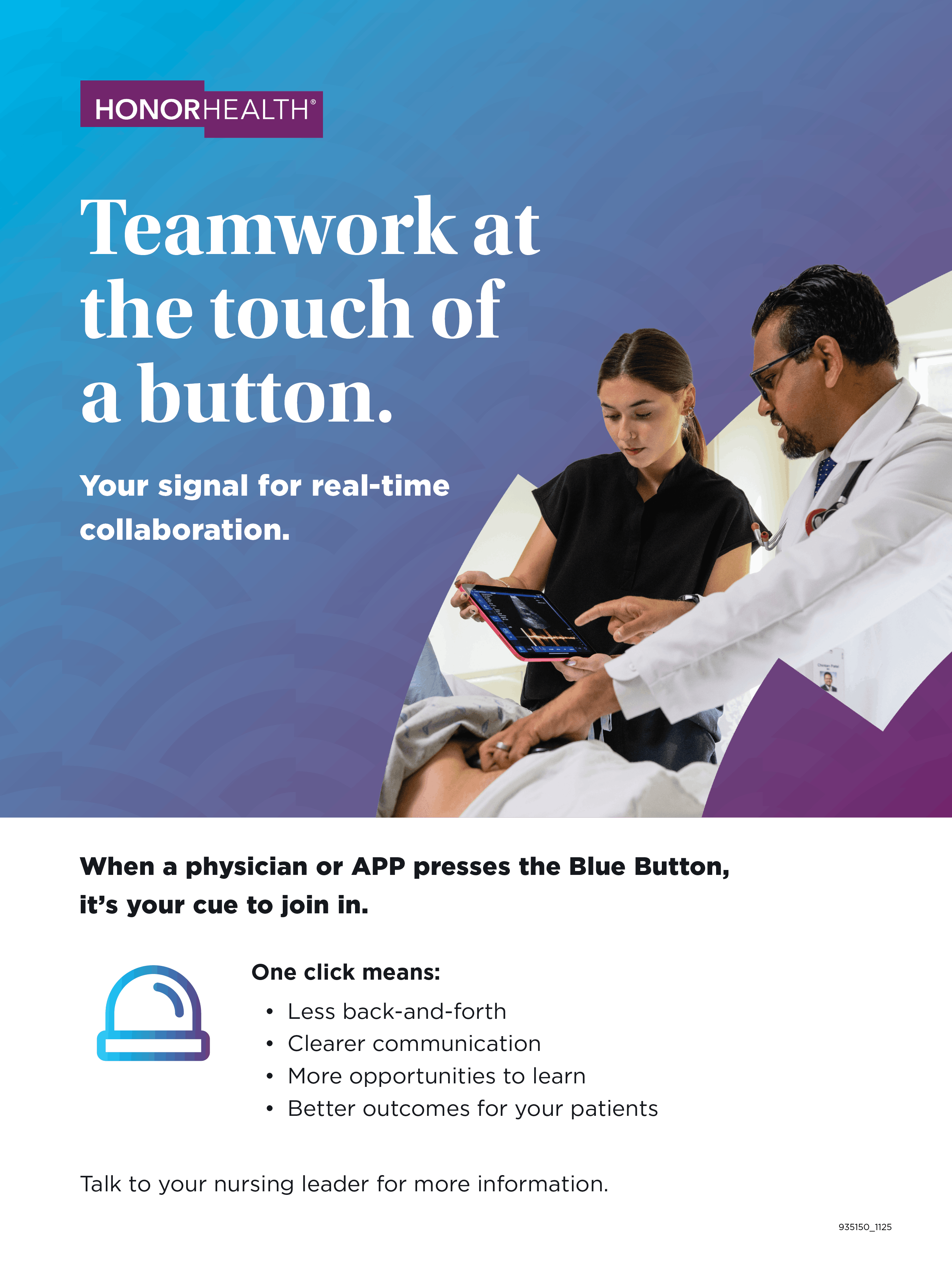
The creative
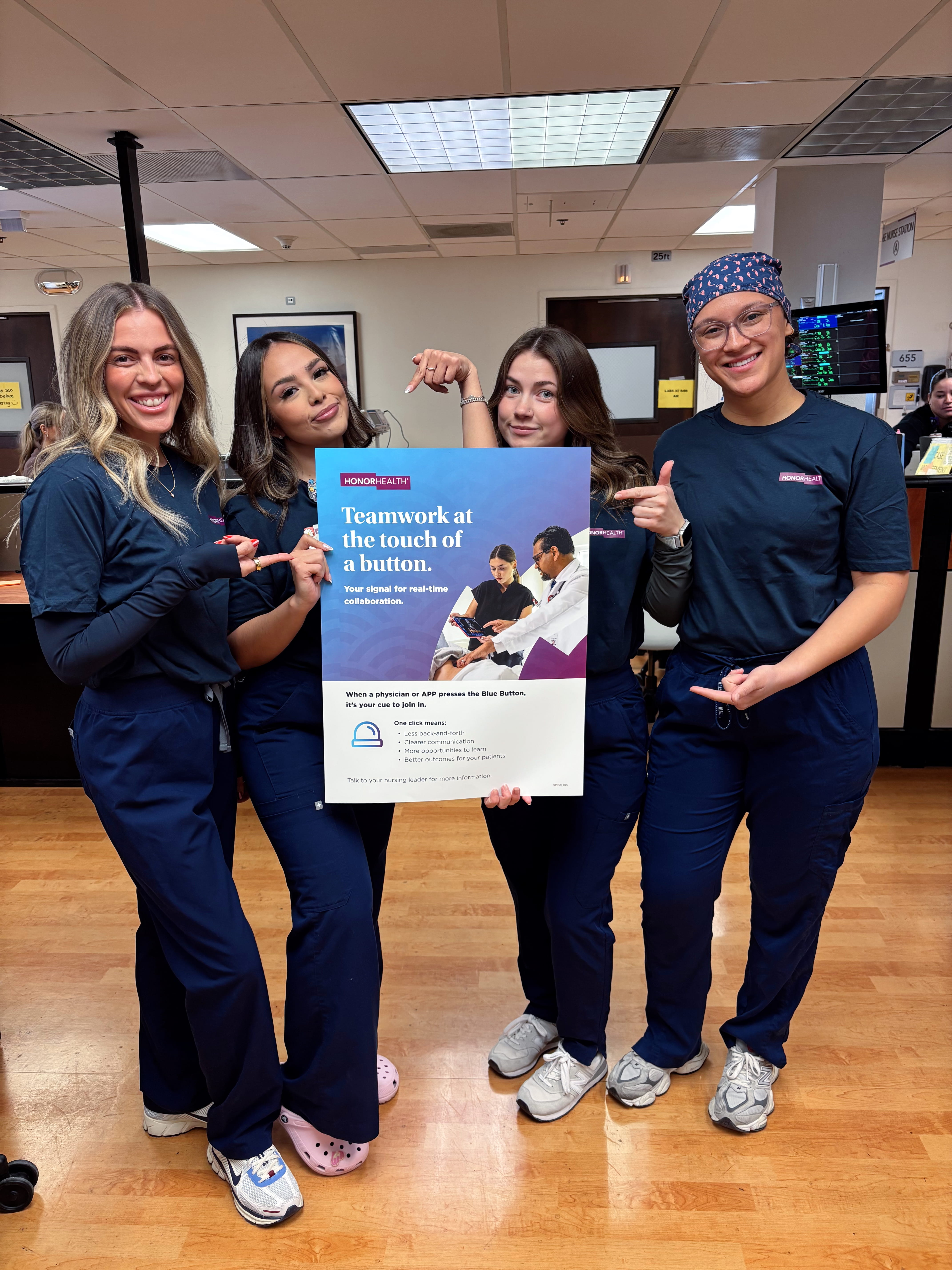
How it looked in real life
3
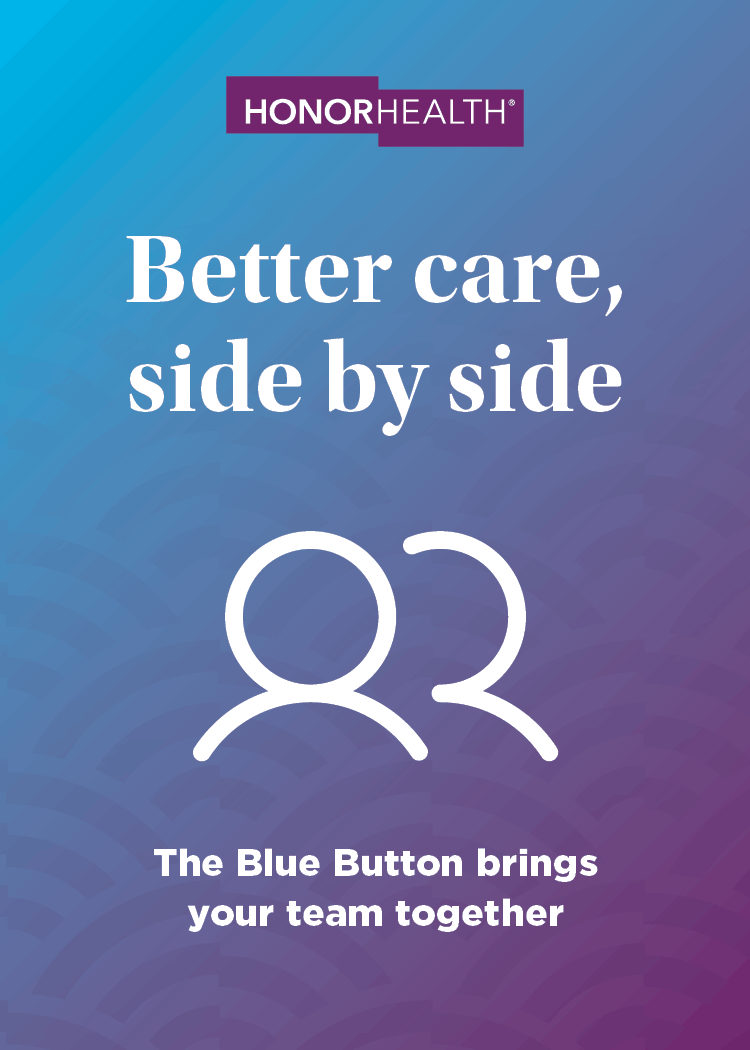
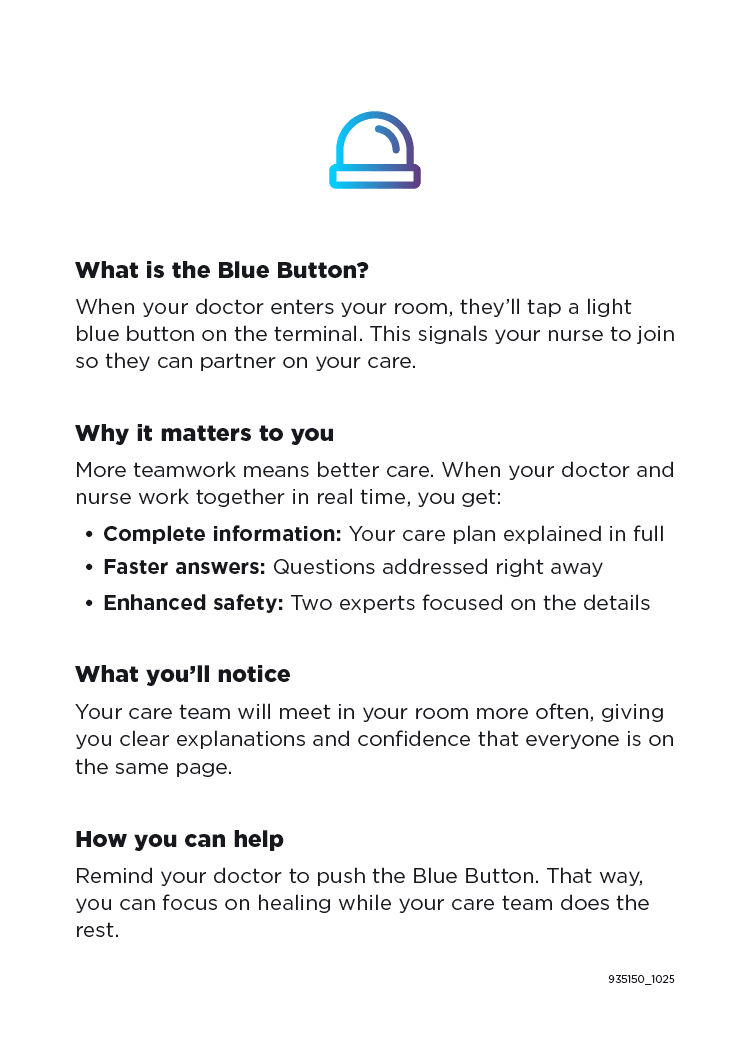
Patient card
→ Explained the system and empowered patients to reinforce usage.
Placed in every new patient folder to introduce shared accountability and drive adoption.
4
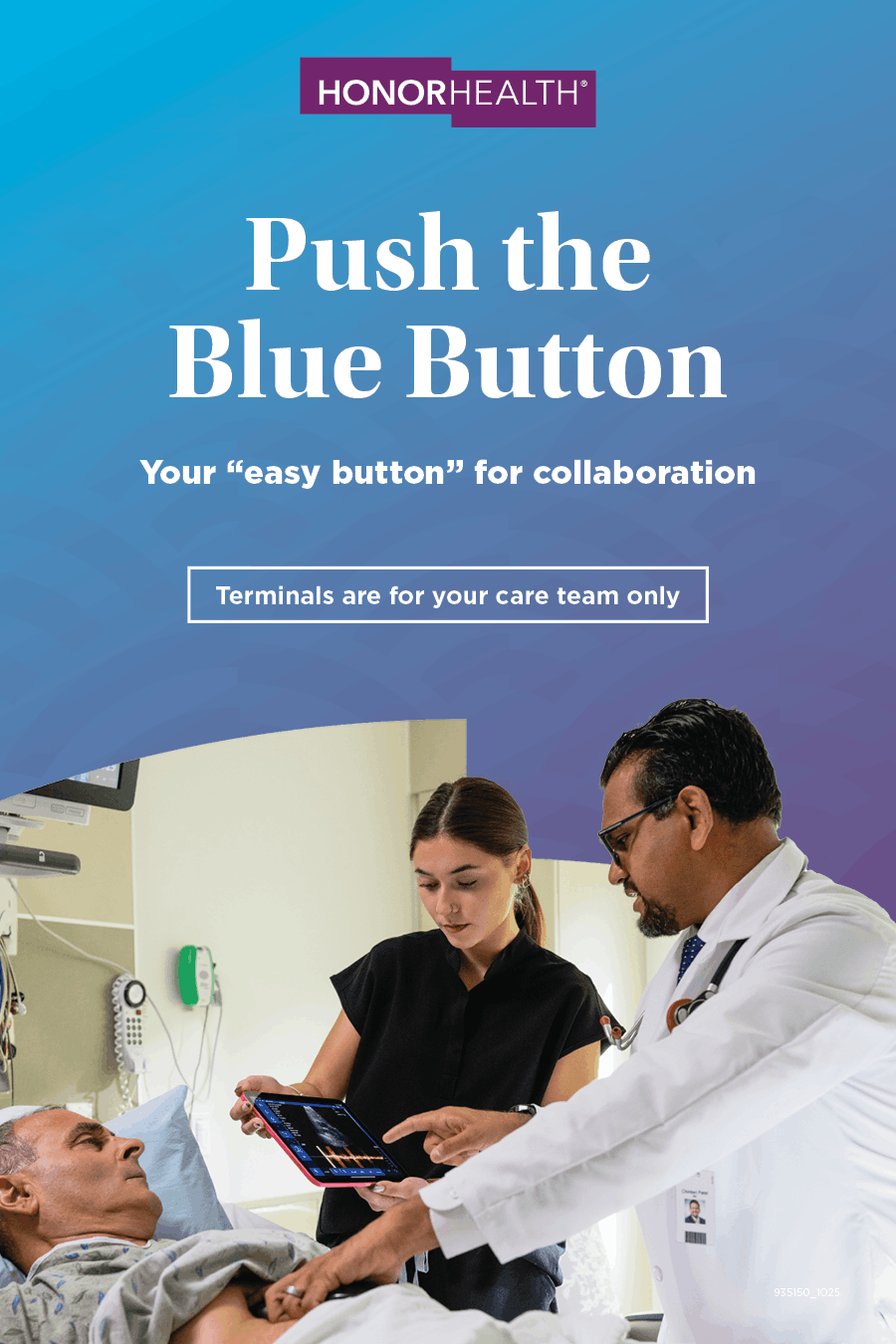
In-room mini poster
Reinforced behavior → Push the Blue Button. Your “easy button” for collaboration.
Designed for a two-second read above the terminal with a single clear instruction.
The creative
How it looked in real life
5
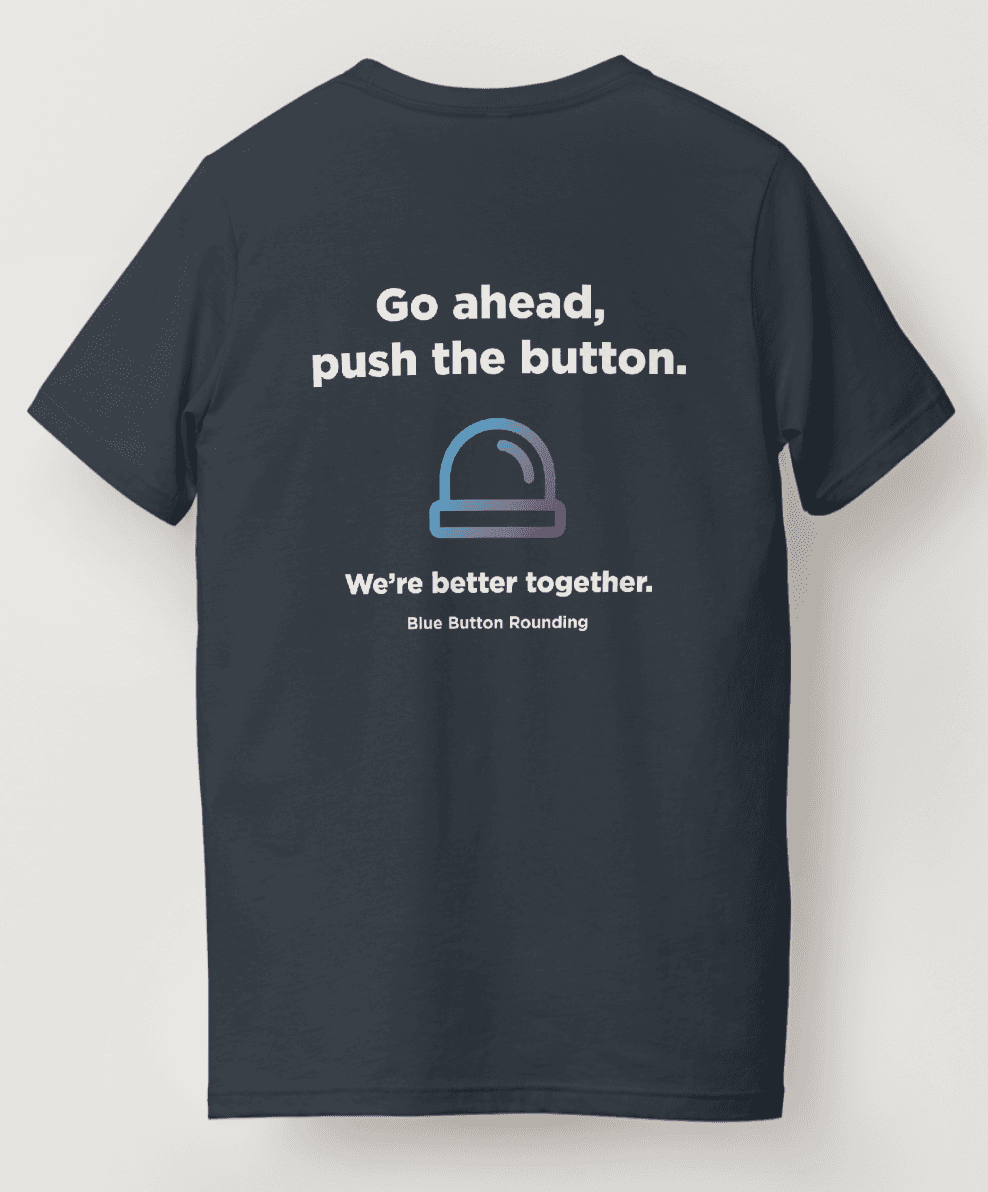
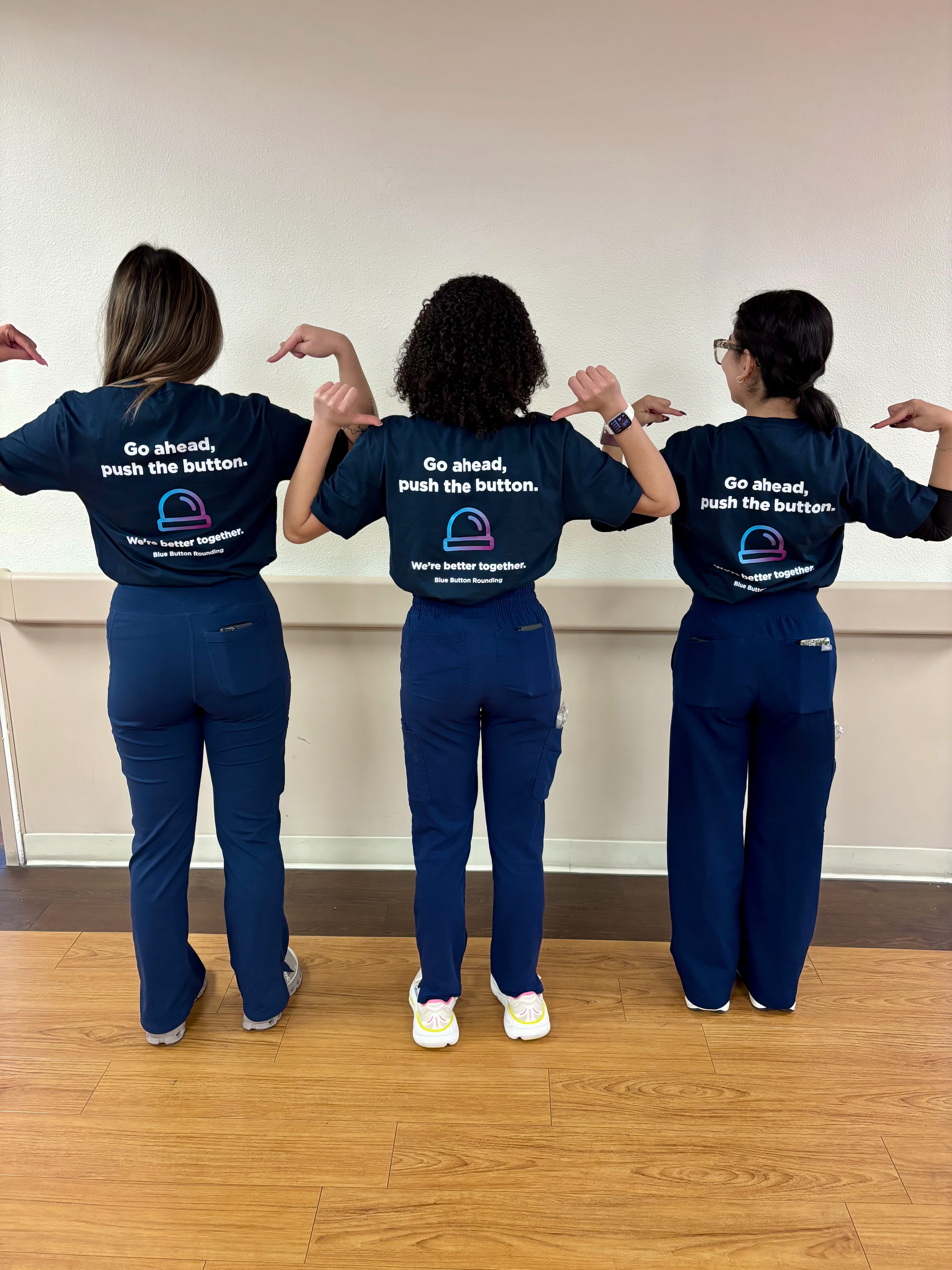
T-shirt
Visual (and fun) reminder → Go ahead, push the button.
A light, visible prompt worn by nurses at launch that sparked conversation on the floor.
The creative
How it looked in real life
6
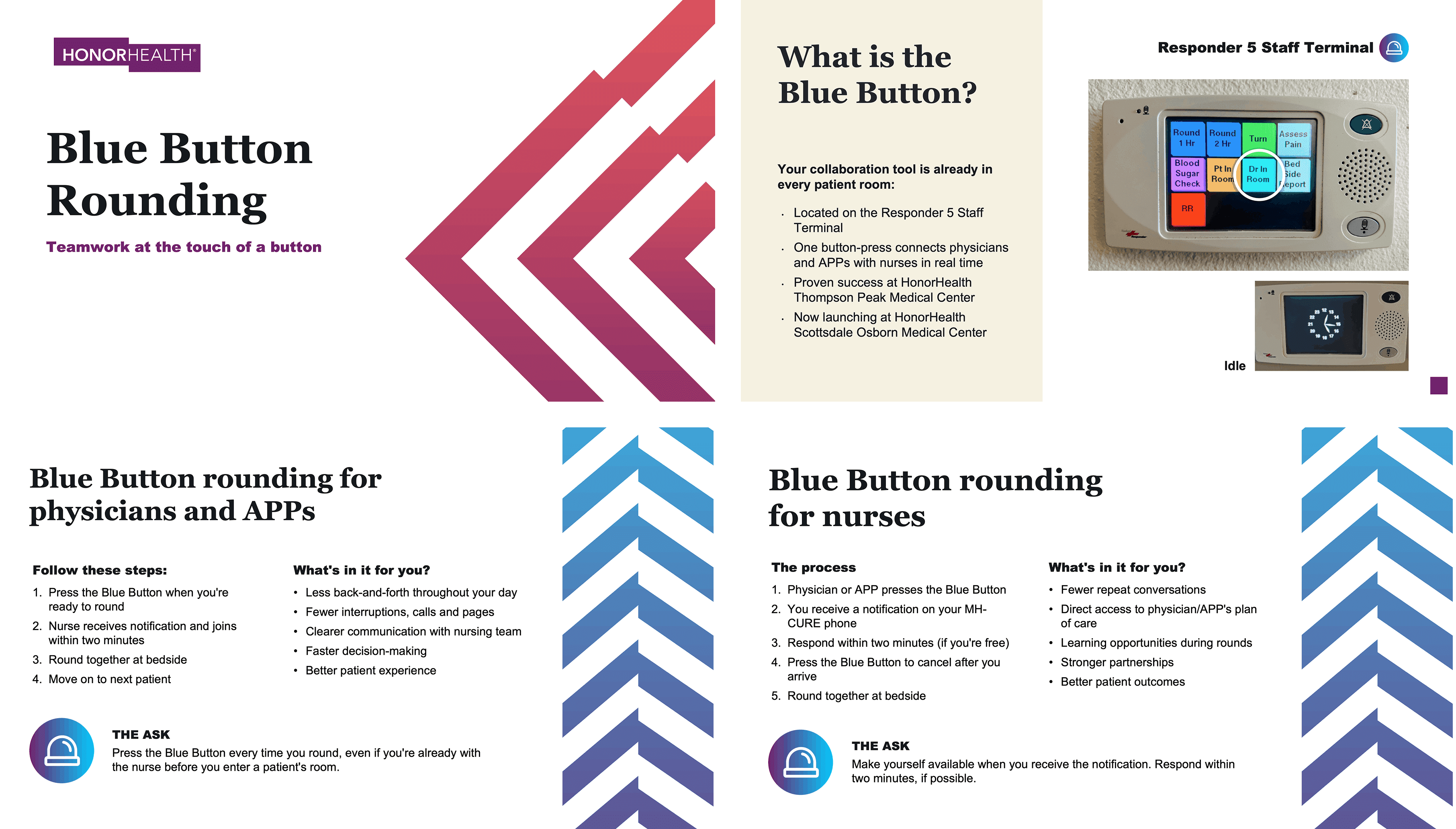
Champion training decks
→ Gave physician and nurse champions a consistent way to walk their teams through the process.
Role-specific, plain language materials designed for weekly use, not occasional reference.
WHAT I TOOK AWAY
Getting physicians and nurses to change a habit during one of the busiest, highest-stakes parts of their day isn't a communication problem. It's a design problem. You have to reduce friction, make the ask obvious, and give people a reason to care (that's specific to their role and not generic).
Designing for the physical environment
Going on-site before designing anything was the decision that paid off. Designing for a physical space without seeing it is a guess. Seeing it is just design.
Creating shared accountability
The patient card was the move I'm most proud of. Looping patients in wasn't just a nice-to-do. It created shared accountability without adding any burden to the care team. The doctor knows the patient knows. That changes behavior in a way that a poster in a lounge cannot.